Skip to Content Skip to Navigation

WHAT IS A GEMSTONE

Gemstones are minerals prized for their beauty, relative scarcity and durability. Out of the approximately 3,000 minerals available, only about 300 are valuable enough to be cut into gems. Gemstones may last forever, but the world of gemstones is always changing. New sources are discovered, new cutting methods perfected, new fashion colors introduced, and new ways of using gemstones are constantly being developed.

Most gemstones are hard minerals formed by nature, deep in the earth, without assistance from man. Gemstones range in color from crystal clear to deepest black and every color of the rainbow in between. Some are opaque, like jade or onyx, meaning no light passes through them. Others, like diamonds and sapphires, are crystalline and reflect light in sparkling brilliance.

People in all parts of the world either wear or carry gemstones as an ornament or as a talisman. Certain gemstones are thought to have certain metaphysical abilities, like healing, health or inspiration. Gemstones may also be birthstones, and are believed to reflect traits of persons born in designated months. Whether gemstones have supernatural traits is up to the wearer.

TYPES OF GEMSTONE

There are three different types of gemstones: natural, lab-created and simulated.
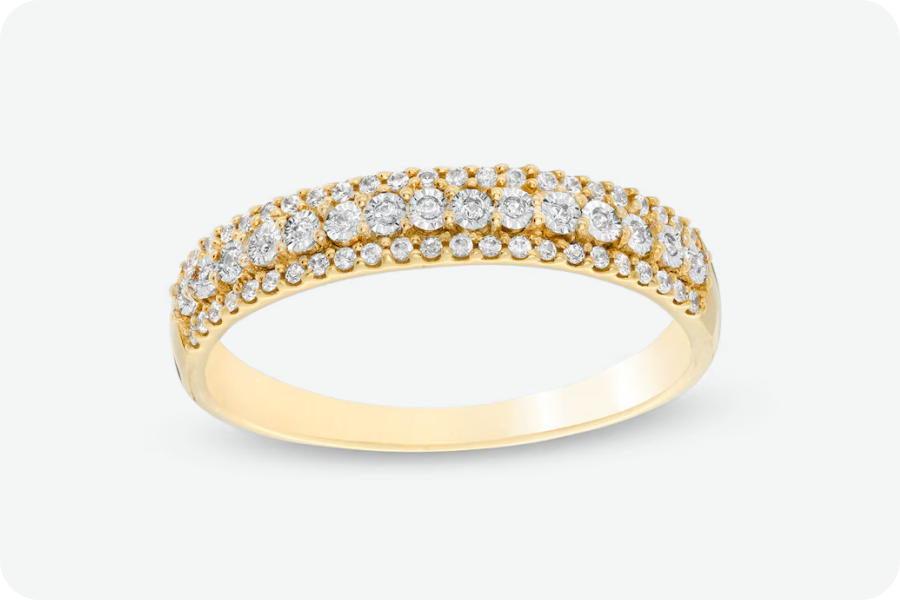
  • GENUINE
    Mined from nature. No assistance from man was given to create these stones – they occur naturally. These gemstones will either be unmarked or noted as “genuine” stones.
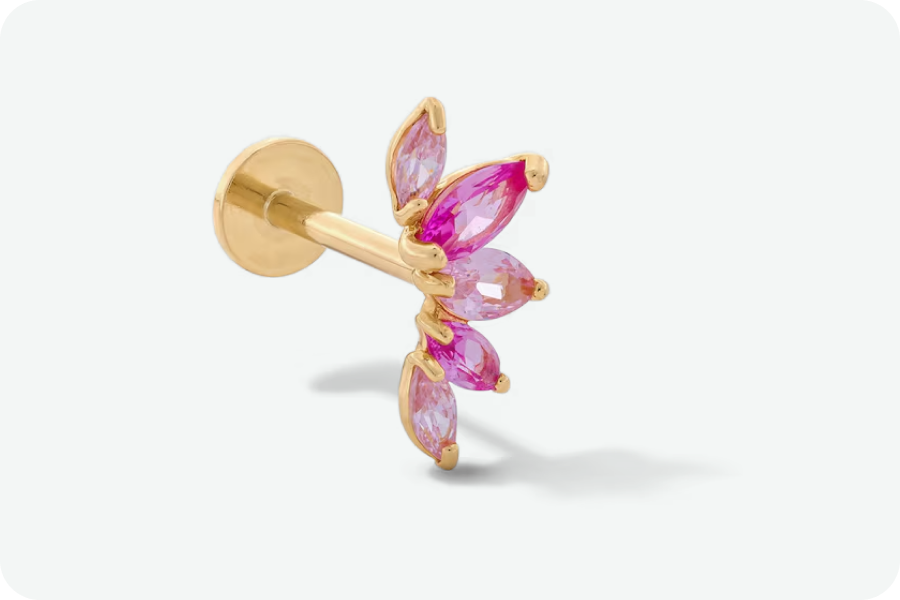
  • LAB-CREATED
    Identical in chemical, crystal, optical and physical properties to a natural stone, but lab-grown. Only a trained gemologist can tell the difference.
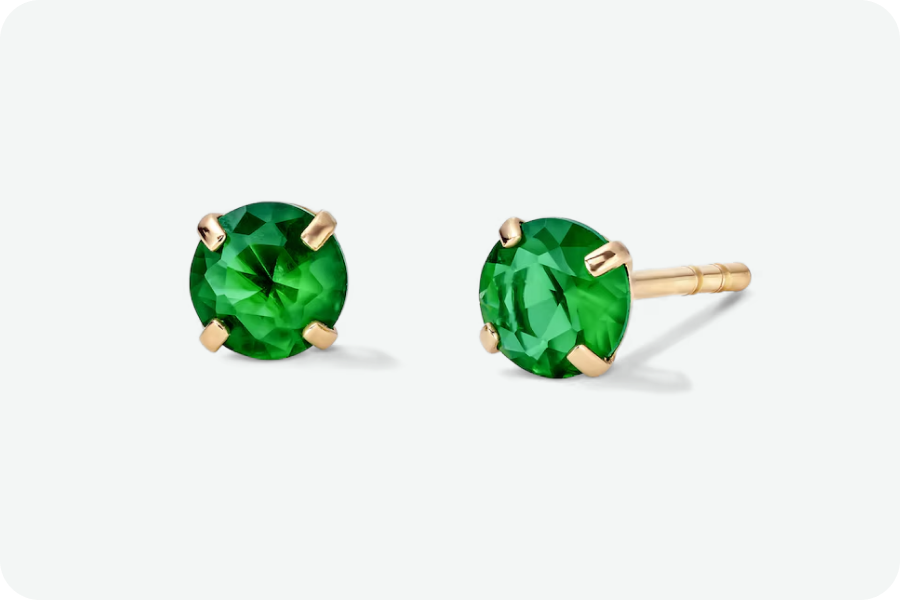
  • SIMLUATED
    Simulated gemstones are man-made and don’t occur in nature, often made from glass, resin or crystal. When you shop, they’ll always be labeled as “simulated.”

BIRTHSTONE JEWELRY

Each month has its own unique birthstone, making birthstone jewelry a meaningful gift. These gemstones can hold personal, astrological or mythical significance. Most gemstones, including birthstones, are believed to carry unique healing properties.
  • JANUARY
    GARNET
    Garnet represents friendship, loyalty and devotion. It typically has a brownish-red color.
  • FEBRUARY
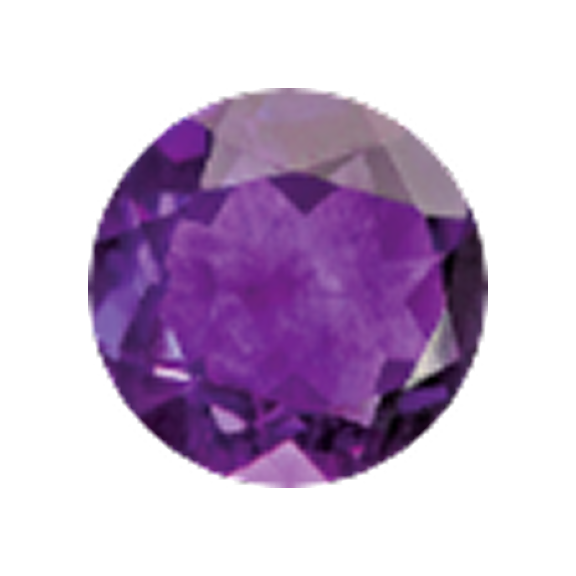
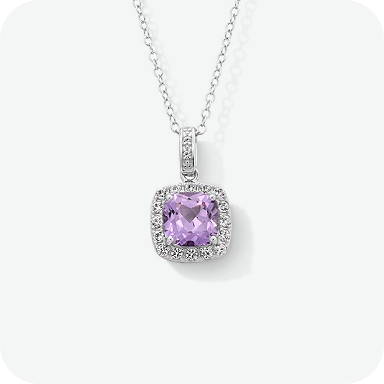
    AMETHYST
    Amethyst ranges from pale lavender to deep purple and is known for its protective qualities.
  • MARCH
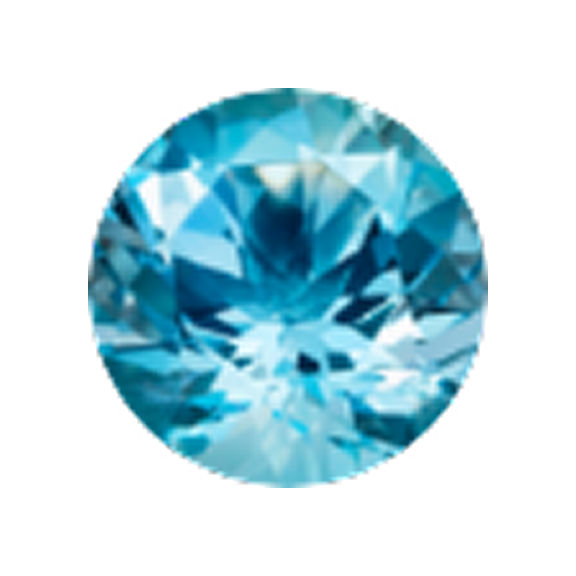
    AQUAMARINE
    Aquamarine, in an icy blue hue, is known for healing and protection at sea.
  • APRIL
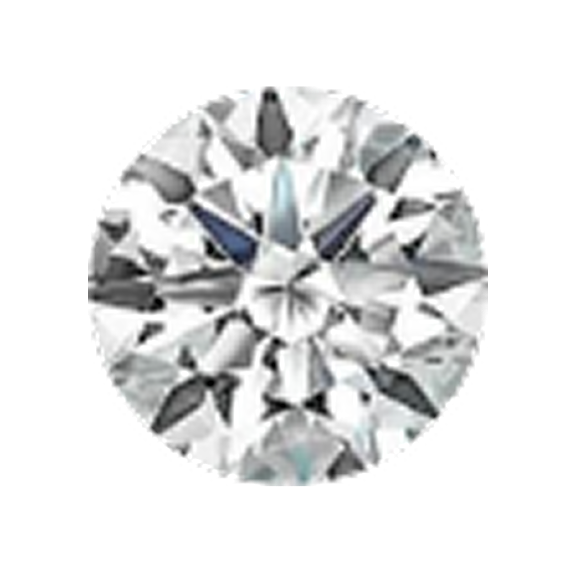
    DIAMOND
    Diamonds, found in a range of colors, are known as the gemstone of everlasting love.
  • MAY
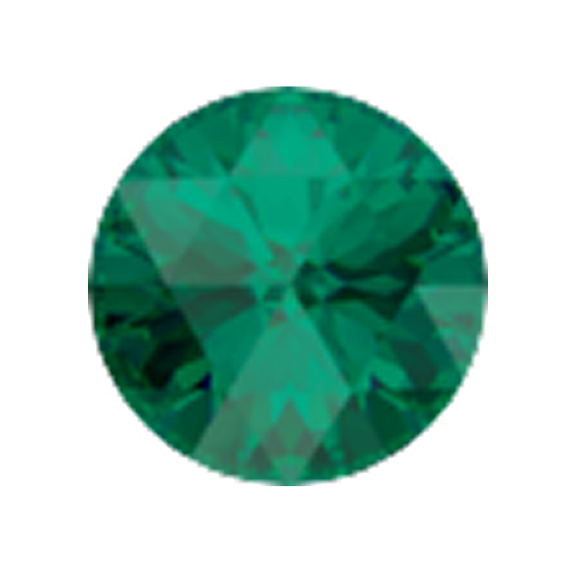
    EMERALD
    Ranging from pale to deep green, emeralds are known to represent wisdom and patience.
  • JUNE
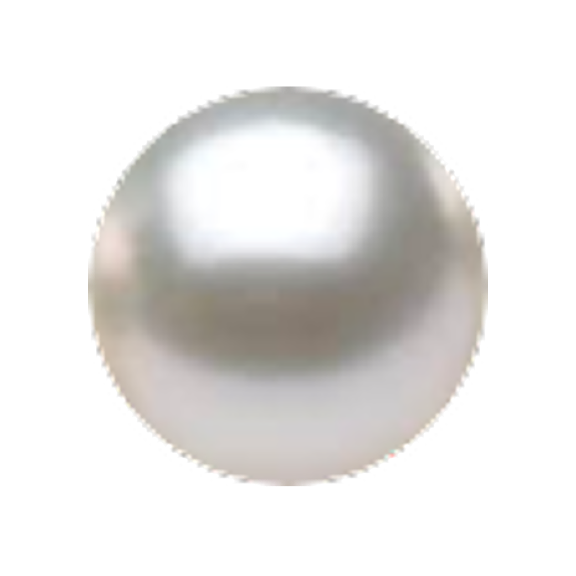
    PEARL
    Pearls, often white, are linked to Aphrodite and symbolize love and purity.
  • JULY
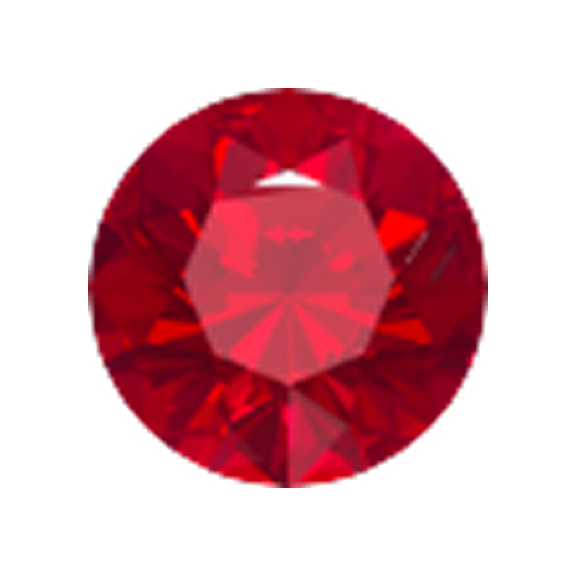
    RUBY
    Rubies, from pale to rich red, symbolize love and passion—once called the “king of gems.”
  • AUGUST
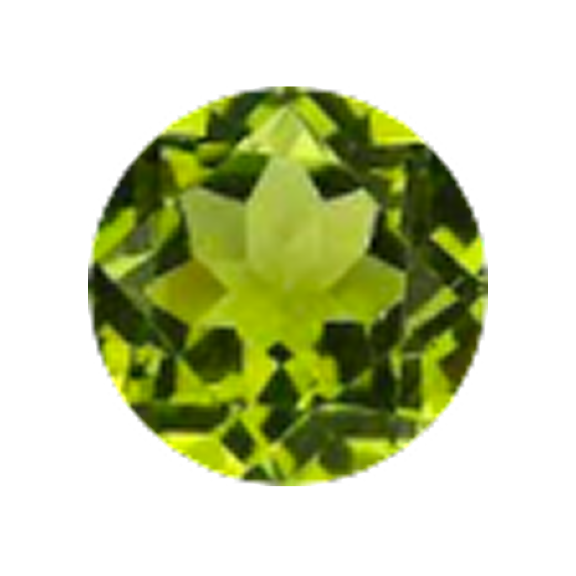
    PERIDOT
    Peridot, a vibrant green gemstone, symbolizes strength and is believed to attract wealth.
  • SEPTEMBER
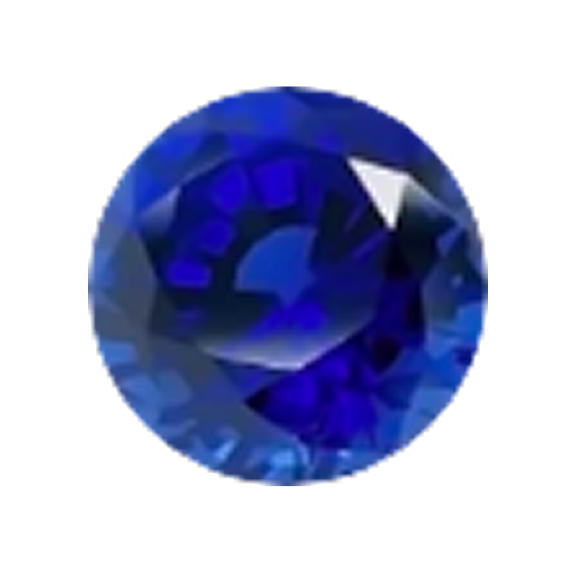
    SAPPHIRE
    Sapphires, from light to deep blue, are known to symbolize wisdom and loyalty.
  • OCTOBER
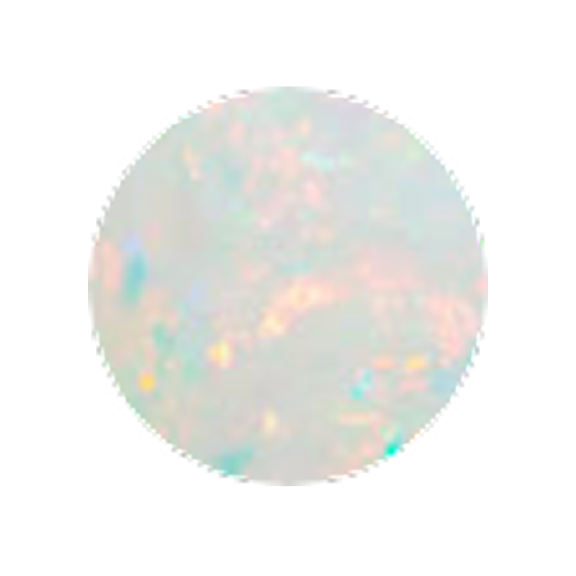
    OPAL
    Often iridescent white, opals symbolize faithfulness, hope and purity.
  • NOVEMBER
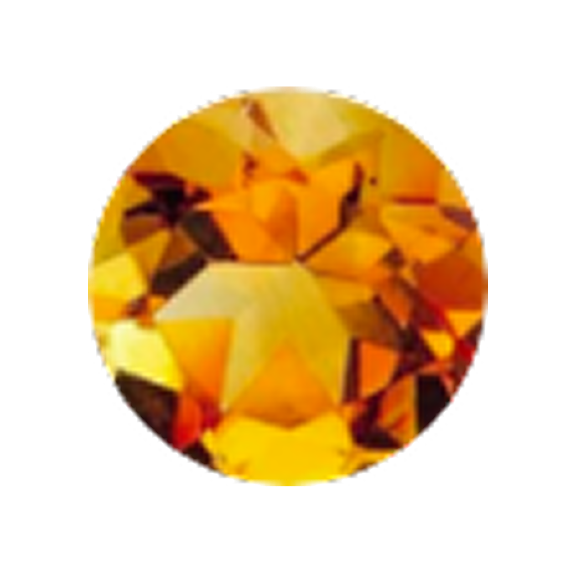
    CITRINE
    Citrine is found in warm golden tones and represents energy, creativity and flexibility.
  • DECEMBER
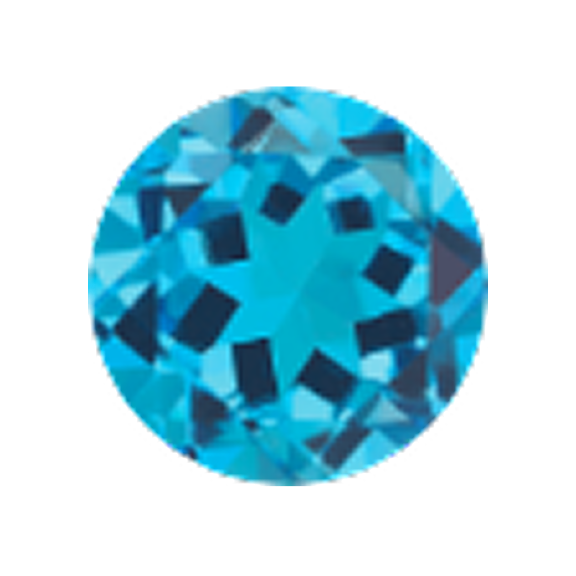
    BLUE TOPAZ
    Blue topaz, from pale to deep blue, symbolizes strength, wisdom and courage.

EXPLORE OTHER JEWELRY MATERIALS

  • DIAMOND 4CS
    Learn how to choose a diamond that’s perfect for any occasion.
  • GOLD KARATS
    Learn more about the karat system and how to choose gold jewelry that reflects your inner glow.
  • JEWELRY METAL GUIDE
    Our fine jewelry is made with real metals, like gold and sterling silver. Learn about all the different kinds of metals we use—and don’t be afraid to mix and match.